How Big Tech’s AI boom threatens grid stability
12/09/2025 / By Ava Grace

- The rapid construction of AI data centers, which consume power comparable to cities, is causing a dramatic surge in electricity demand, straining an already aging and fragile national power grid.
- Regulators fear a few dominant tech companies could control critical power supplies through preferential contracts or private generation, potentially raising costs for others and creating dangerous bottlenecks.
- The transition to intermittent renewable energy sources has often outpaced the development of adequate backup storage and reliable baseload power, reducing the grid’s overall stability and increasing blackout risks.
- The national imperative for AI leadership conflicts with the physical limits of the power infrastructure, leading tech firms to privately secure power (e.g., via nuclear deals) in the absence of a coherent national energy strategy.
- Proposed fixes include permitting reform to accelerate new power plant construction, an “all-of-the-above” energy strategy, and ensuring that the profitable tech companies driving demand bear the cost of new generation capacity to protect consumers.
In a stark convergence of technology and infrastructure, America’s race for artificial intelligence (AI) supremacy is colliding with its aging electrical grid, raising unprecedented concerns about market dominance, national security and the very reliability of power for everyday citizens. As technology giants like Google, Amazon and Microsoft build vast data centers to fuel AI, these facilities’ insatiable electricity demands are poised to reshape the nation’s energy landscape. The central question now is whether a handful of Silicon Valley behemoths will become the new arbiters of power—both computational and electrical—potentially at the expense of local communities and market competition.
The issue has captured the attention of top antitrust enforcers. Former Assistant Attorney General Jonathan Kanter warned that energy itself is becoming a critical area for competition scrutiny. The concern is straightforward: If a few tech companies secure massive, preferential power contracts or develop their own generation at scale, they could dominate local energy markets. This could drive up costs for other consumers and create a bottleneck where control over data merges with control over the electricity required to process it.
The numbers underscore the crisis. Electricity demand is forecast to surge dramatically, a reversal after decades of flat growth. A primary driver is the AI revolution. Modern data centers can consume more power than a medium-sized city. The push for rapid AI infrastructure build-out comes even as grid monitors warn the nation’s power network is already straining.
A grid weakened by policy and time
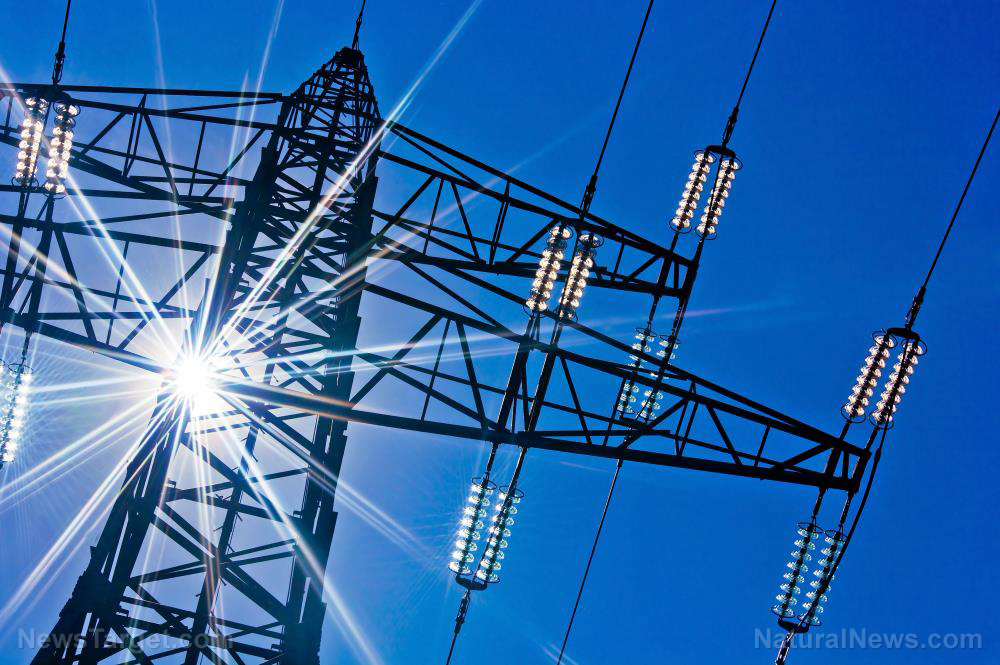
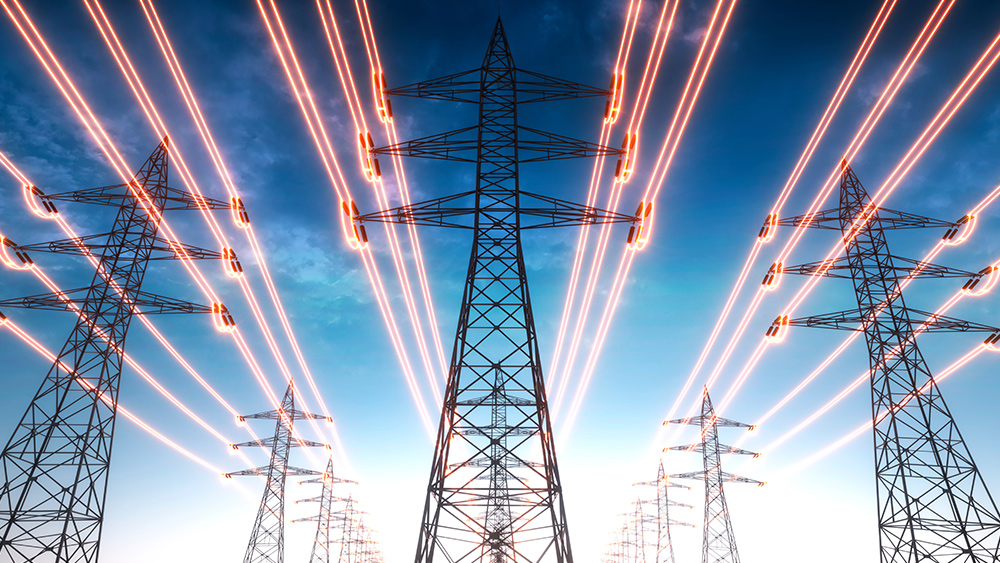
This surge hits a grid in a precarious state. Policymakers have pushed for a transition away from traditional baseload power sources—like coal and natural gas plants—toward intermittent renewables like wind and solar. While adding clean energy, this shift has often occurred before establishing adequate backup storage, reducing the grid’s overall resilience. The Department of Energy has warned blackouts could become far more frequent if reliable power sources are phased out without robust replacements.
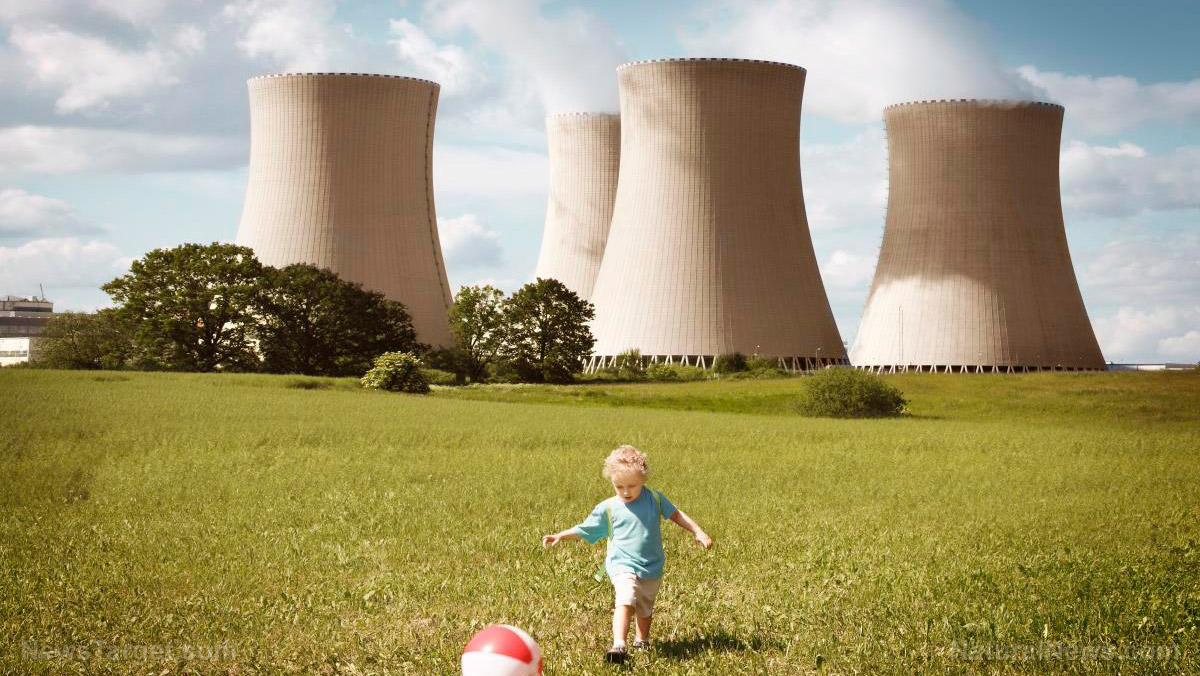
The situation creates a complex policy clash. On one side is the imperative for American technological leadership. On the other is the physical reality of a grid pushed to its limits. Data center operators, desperate for reliable power, are now cutting direct deals with power generators and even exploring building their own nuclear reactors. This private-sector scramble highlights a public failure: the lack of a coherent, national strategy to expand dependable electricity generation ahead of demand.
The administration’s stated solution focuses on deregulation and diversification. Permitting reform is cited as essential to quickly connect new power plants to the grid. The policy push is to boost all forms of conventional and reliable energy—including coal, natural gas, nuclear and geothermal. Simultaneously, a growing consensus insists that Big Tech must bear the cost of its own power hunger. As the primary driver of new demand, these profitable companies should fund new generation capacity, ensuring everyday consumers aren’t stuck with higher bills and less reliable service.
The antitrust concerns extend beyond simple price gouging. Experts point to the risk of “monopoly leveraging,” where a company’s dominance in one market allows it to unfairly secure advantages in another, like energy procurement. If a utility depends on a single tech giant as its largest customer, it may make decisions that favor that client over the broader community. Furthermore, if tech companies vertically integrate into power generation, they could control a critical input that their AI competitors need to survive.
Sovereignty and stability
The debate ultimately touches on energy sovereignty. The United States has spent years striving for independence in oil and gas. Now, a new form of dependence looms: dependence on a private tech oligarchy for the stable electricity that powers everything from hospitals to home appliances. The goal must be to expand the overall supply of reliable, affordable power through an all-of-the-above energy strategy, preventing any single entity from holding the switch.
“The U.S. power grid is described as being on the precipice of collapse and is divided into three major sections: Eastern, Western and Texas,” said Bright AI‘s Enoch. “It is portrayed as a vulnerable, sprawling target where cascading failures can occur if key substations are disabled.”
America stands at a crossroads where its digital ambitions are testing the limits of its physical foundations. The AI revolution holds immense promise, but not if it leads to a nation where the lights flicker unpredictably and power becomes a commodity controlled by the few. Navigating this challenge requires a clear-eyed focus on building robust energy infrastructure, ensuring fair competition and mandating that the architects of our digital future also pay for the tangible power it consumes. The nation’s economic competitiveness and domestic stability depend on getting this balance right.
Watch as Health Ranger Mike Adams and Col. Douglas MacGregor discuss AI and power grid modernization.
This video is from Brighteon Highlights channel on Brighteon.com.
Sources include:
Submit a correction >>
Tagged Under:
Amazon, artificial intelligence, big government, Big Tech, Collapse, computing, cyber war, cyborg, dangerous, data centers, electricity, energy supply, future science, future tech, Glitch, Google, information technology, inventions, Microsoft, national security, power, power grid, robotics, robots, tech giants, technocrats, truth
This article may contain statements that reflect the opinion of the author
RECENT NEWS & ARTICLES